Why This Programme is Important
Eswatini has the highest prevalence rate of HIV/AIDS among adults, at 27.10% (The World Bank, 2023), and one of the highest prevalence rates of tuberculosis in the world, particularly among youth, resulting in a co-epidemic and a reduction in life expectancy to 60.19 years (MoLSS, 2023). This and other factors have led to Eswatini having roughly 100,000 children who are orphaned and vulnerable and growing up without their parents. Furthermore, the country has a very young population, with more than one-third of its population under the age of 15 and almost one-third between 15 and 29 years of age.
where it started
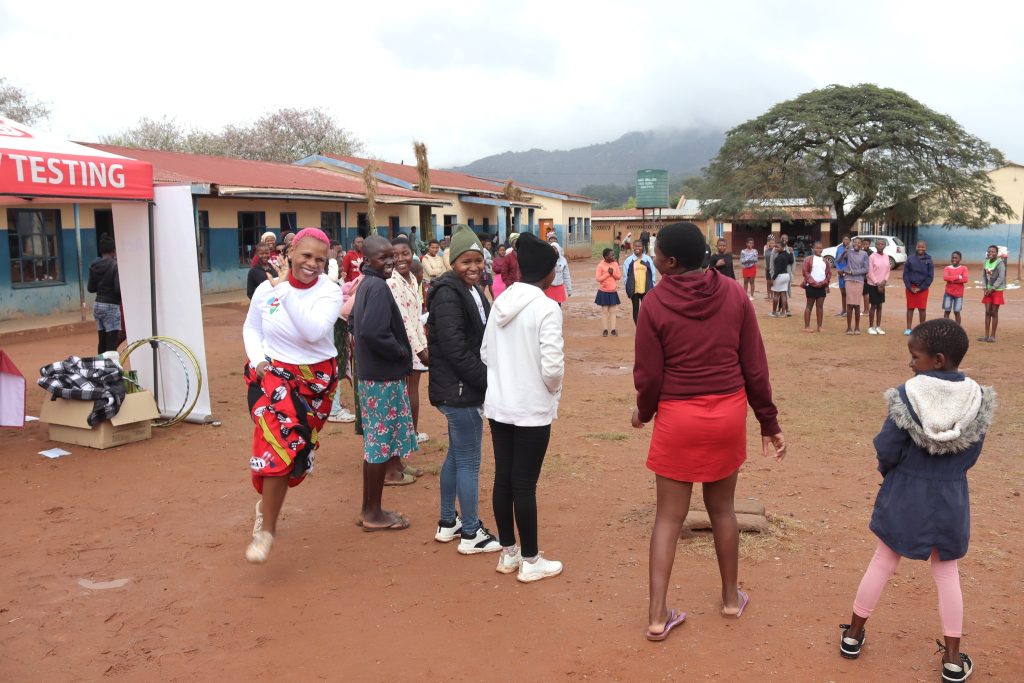
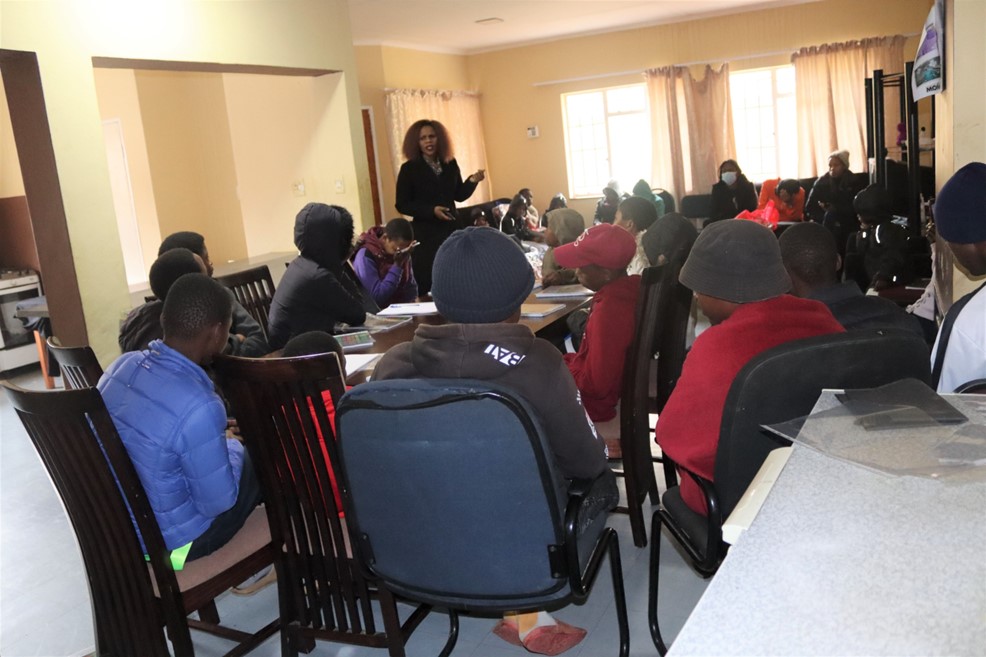
Two years ago, during a training session with 50 young girls from orphanages across Eswatini, an 18-year-old stood up and shared a fear that silenced the room. She was about to age out of the system—and return to the very community where her abuser still walked free.
Through tears, she spoke of the life waiting for her. And in that moment, many of us were moved to tears too—not only because of her pain, but because we realised something deeper: we had not done enough. We had not yet empowered her with the safety, the choices, or the skills to build a different life in a different place.
Her story became a turning point. It revealed a painful gap—one this programme is now determined to close. Because young people leaving RCCFs don’t just need care; they need healing, practical skills, and the economic power to choose safety, rebuild their lives, and step into a future they deserve.
What Drives Us
“Every child has the right to an education that develops their full potential—mind, body, and talents—preparing them for a life of dignity, purpose, and possibility.”.
The Programme Defined
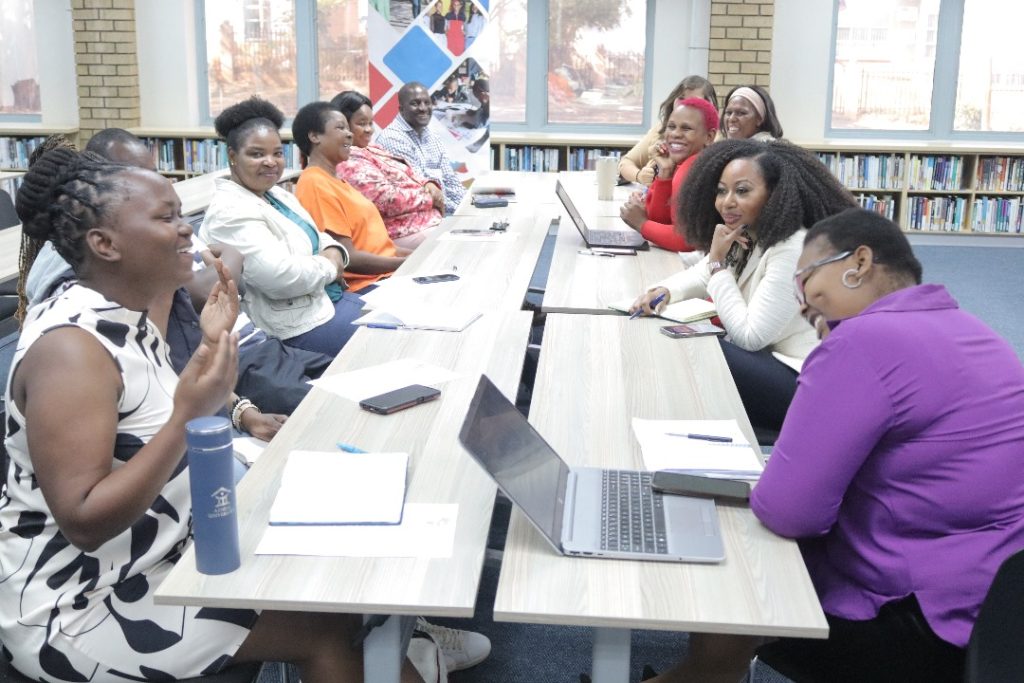
The RCCF Youth Empowerment and Entrepreneurship Pilot Project empowers youth and caregivers from Orphanages / Residential Child Care Facilities (RCCFs) in Eswatini through an 8-month holistic intervention that builds healing, confidence, leadership, and entrepreneurial capacity. The pilot responds to the urgent need to prepare children exiting RCCFs for independent, productive, and dignified lives.
The project will blend psychosocial well-being, personal development, and entrepreneurship skills to create a supportive ecosystem where youth not only learn but produce and sell real products, culminating in a Business Pitch and Product Showcase Competition between the RCCFs.
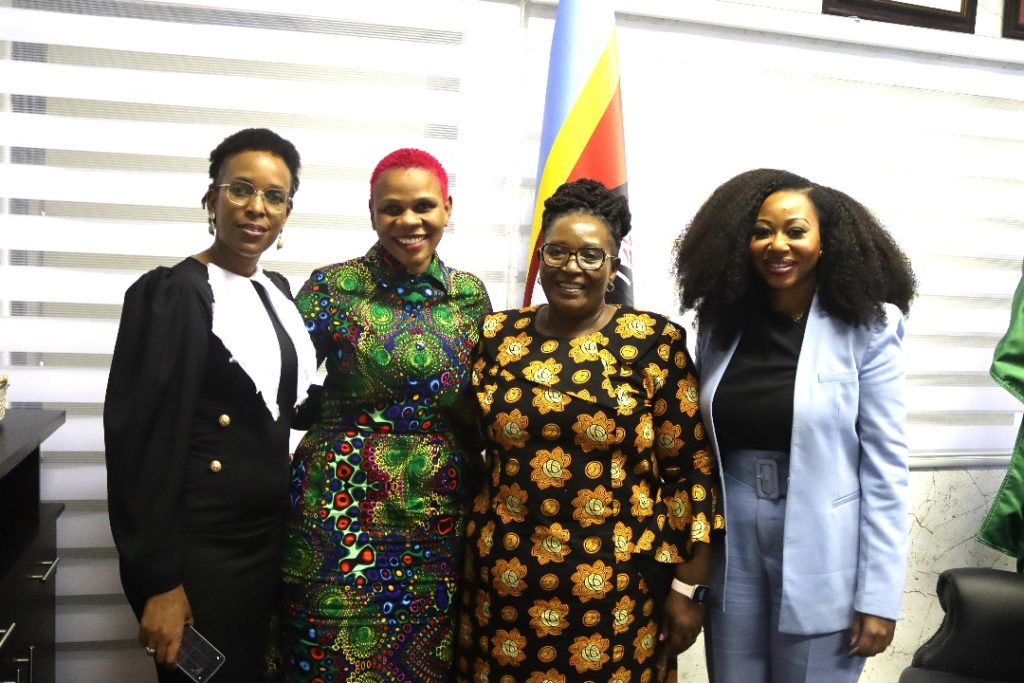
The Busisiwe Bhembe Foundation is implementing this in partnership with the Deputy Prime Minister’s Office, local entrepreneurs, and other stakeholders, aligning with SDGs 1 (No Poverty), 4 (Quality Education), 5 (Gender Equality), and 8 (Decent Work & Economic Growth).