answering the why
Unlocking Africa’s Wealth Through Household Manufacturing and Value Addition
In Africa, teaching household manufacturing and value addition is essential because it transforms raw resources into income-generating opportunities at the community level. Too often, individuals sell raw or unprocessed products at very low prices, while the real value—and profit—is captured elsewhere in the supply chain.
Please accept my heartfelt thanks for the excellent food preservation and meat processing training. Even with my background as an engineer and farmer, I was thoroughly impressed by the depth of knowledge shared and the practical techniques demonstrated. This course has significantly enhanced my understanding and capabilities in ensuring food security and quality.
M.L. Nsibandze
Graduate
Making the case
Why Value Addition is Important
When people are equipped with simple processing skills such as food preservation, baking, soap making, and other small-scale production, they are able to extend shelf life, reduce waste, and significantly increase the value of what they already have. This not only strengthens household income but also builds local entrepreneurship and reduces dependence on unstable job markets.
Ultimately, value addition at the household level is one of the most practical pathways to inclusive economic participation, especially in communities where formal employment opportunities are limited.
mission
We’re On A Mission
to change the story of africa and africans.
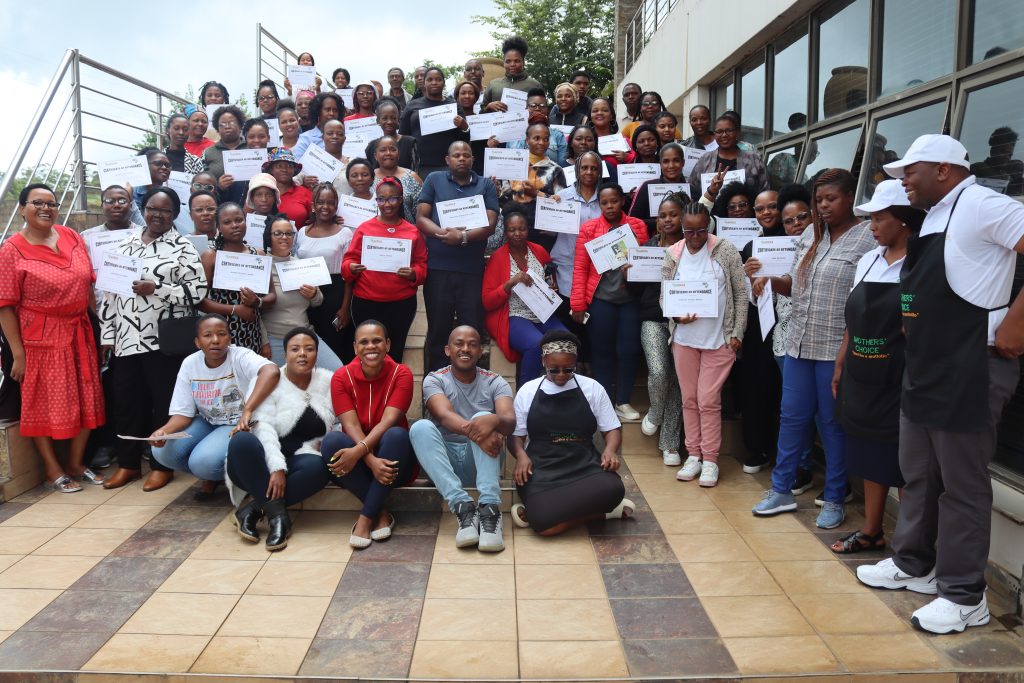
650+
trained


Empowerment Through Value Addition.
The Foundation is committed to empowering individuals with practical value-addition skills that not only reduce household expenses but also unlock opportunities for sustainable income generation through the sale of products and services.
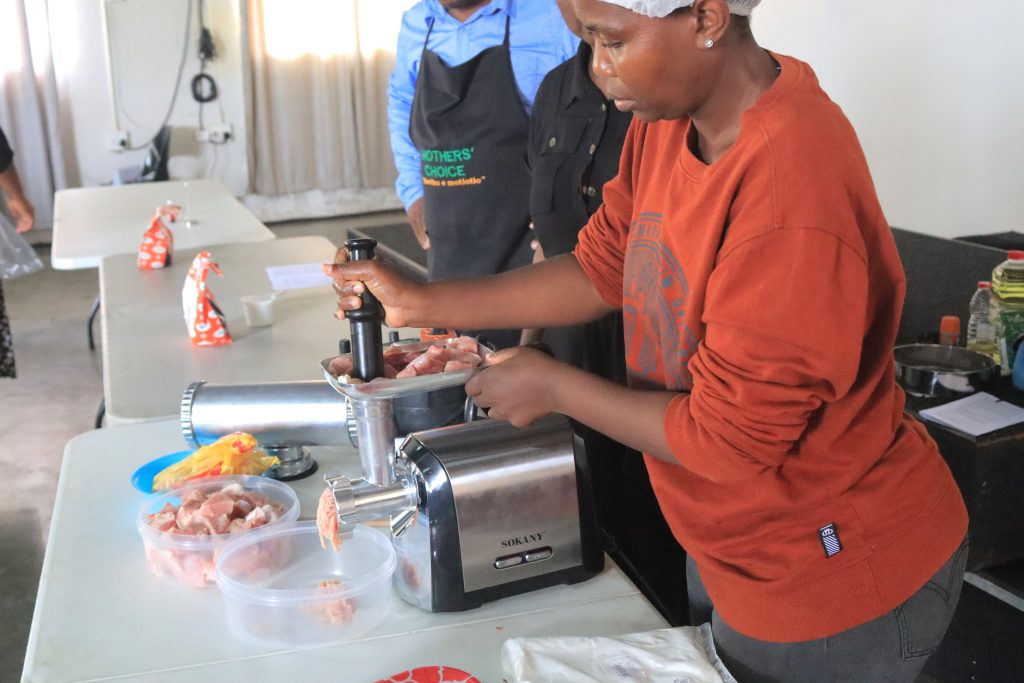
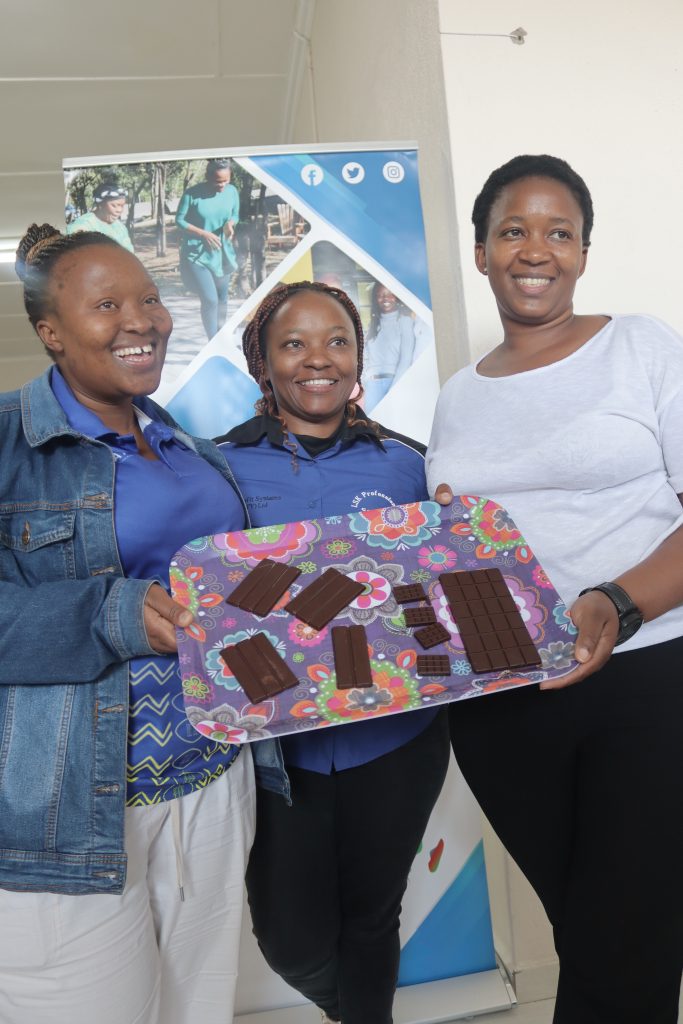
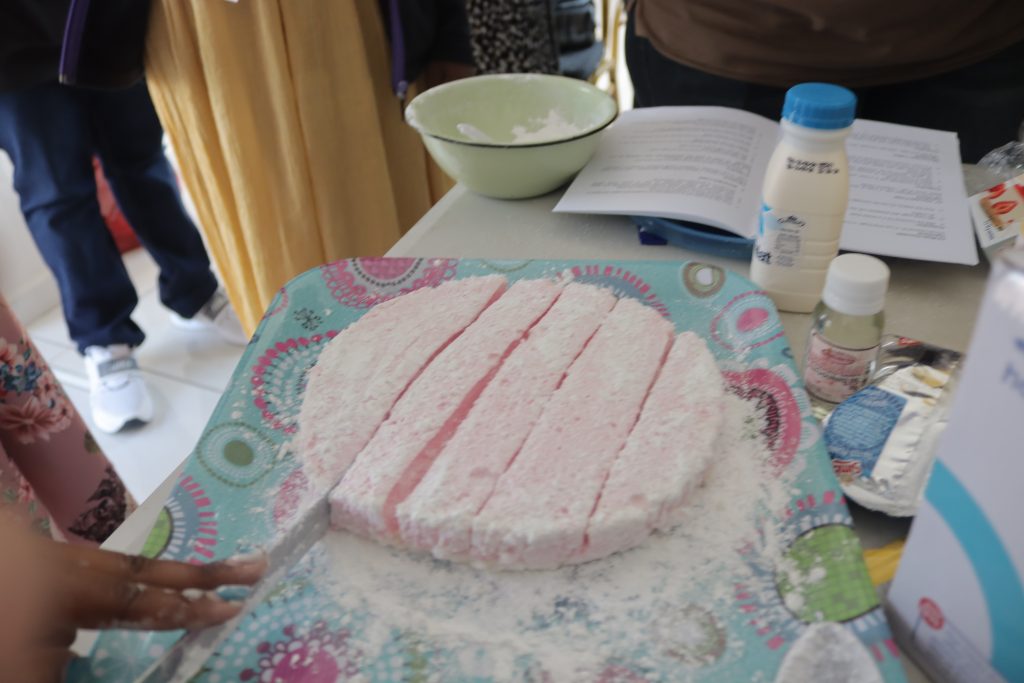
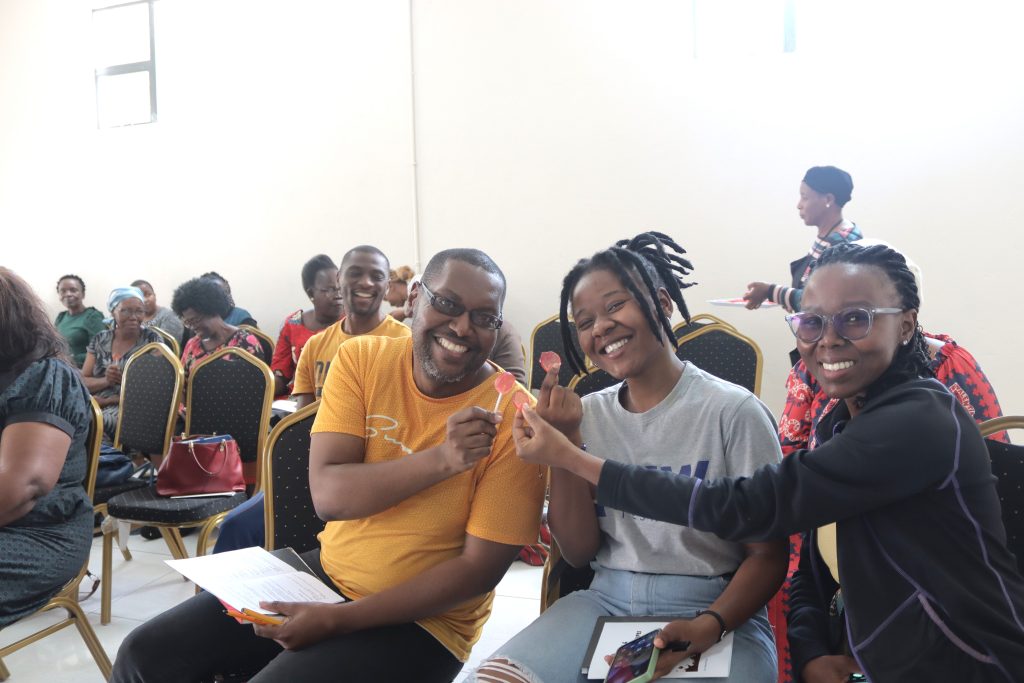
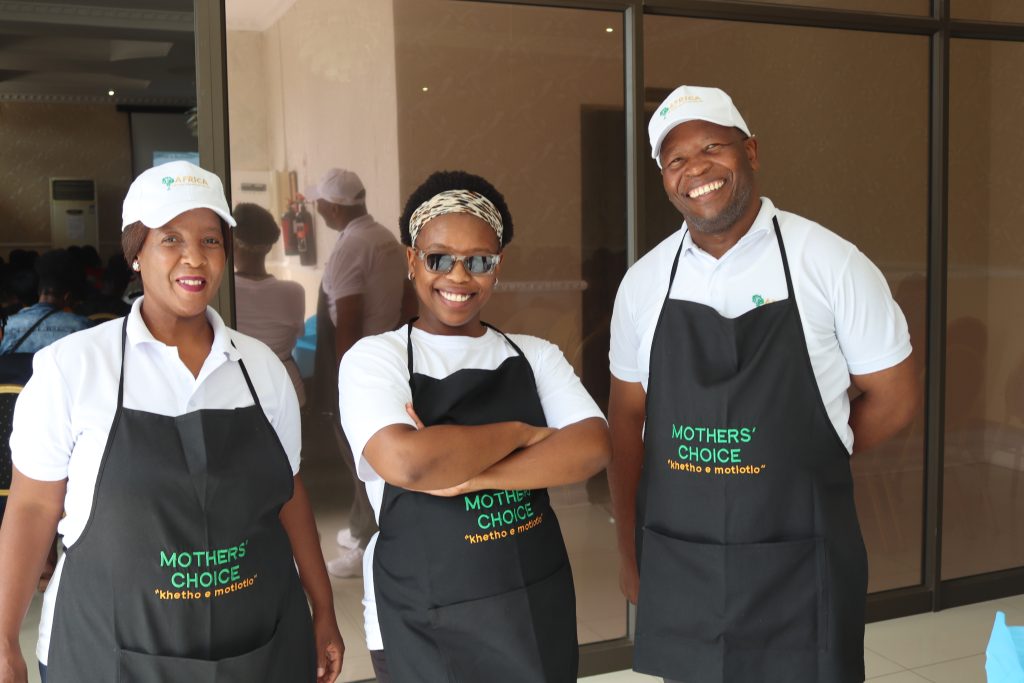
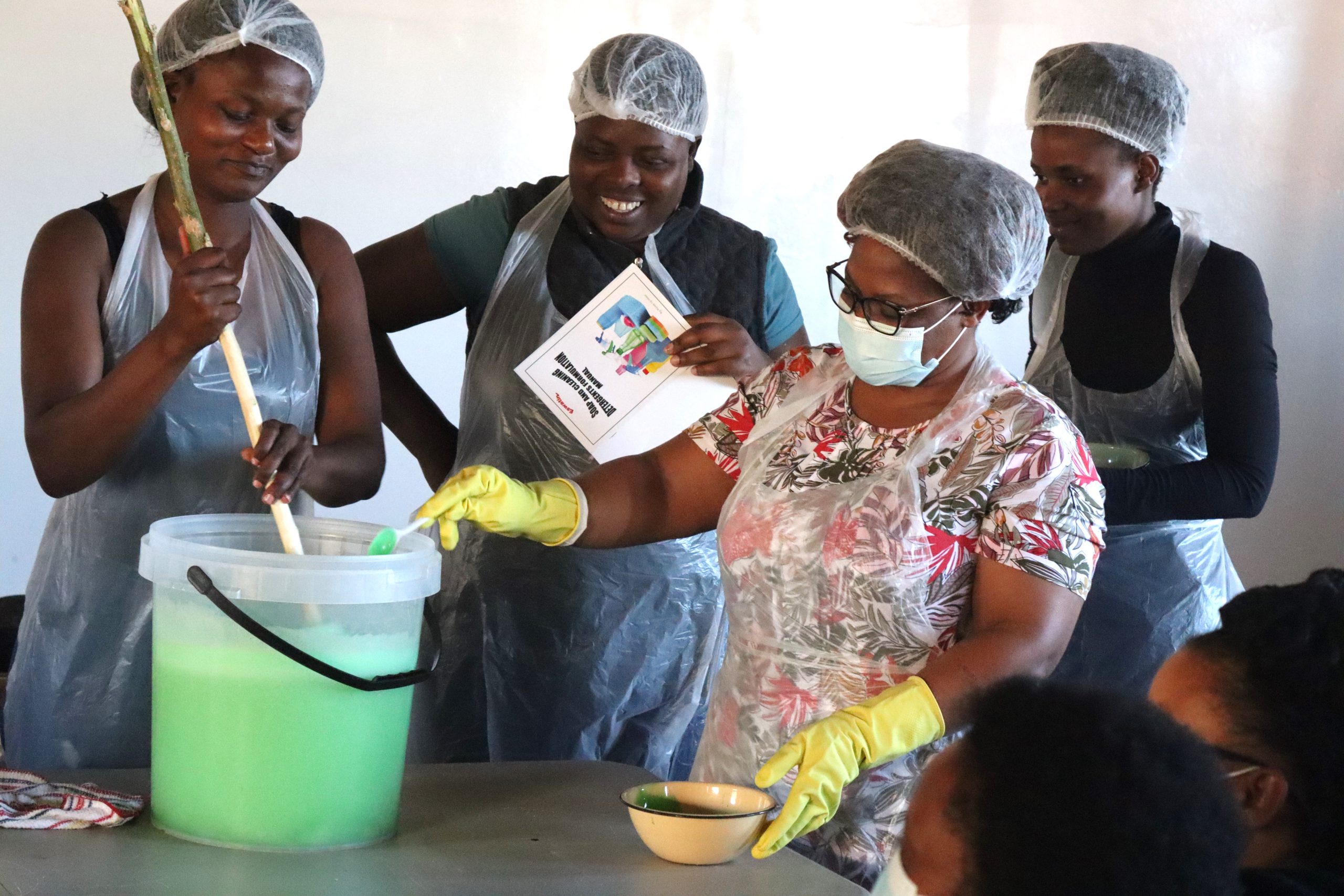
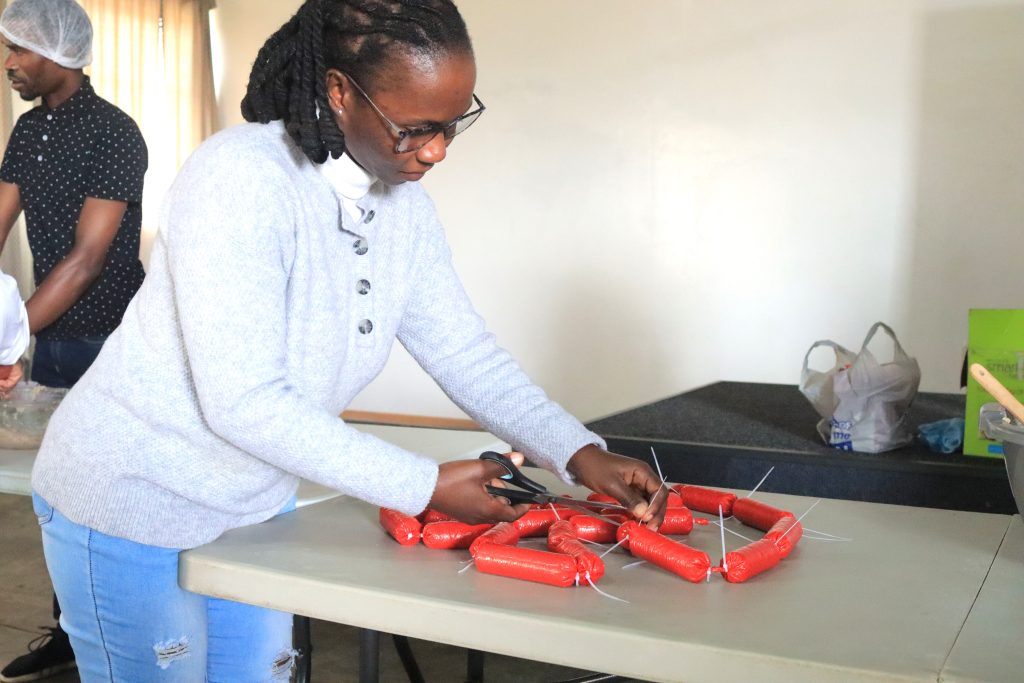
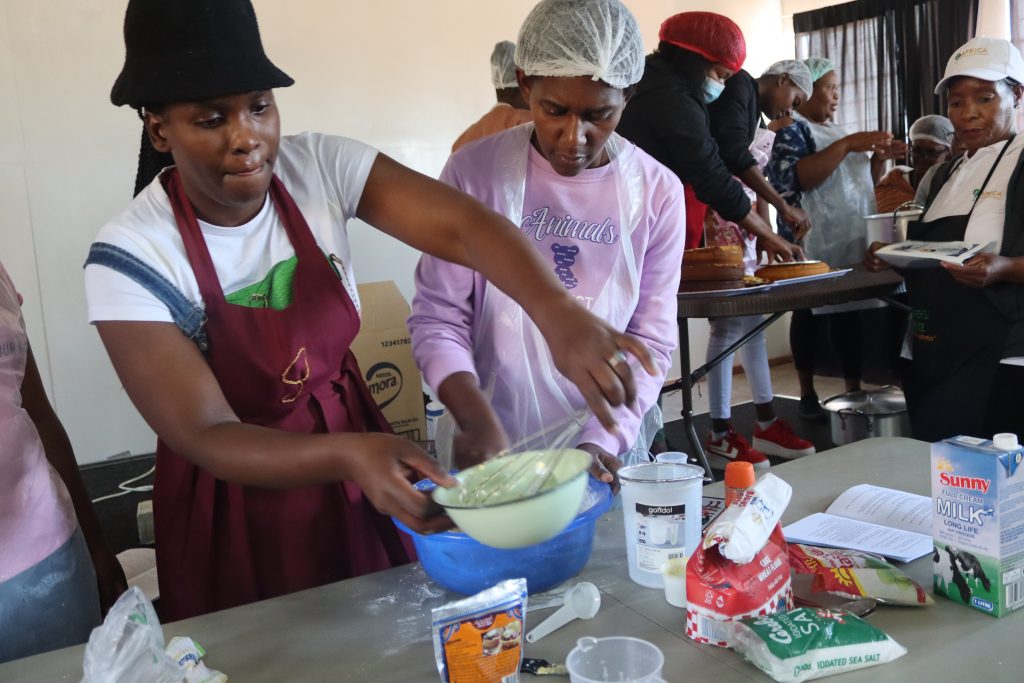
In partnership with Africa Job Creation Opportunities (a non-profit based in Lesotho), the Busisiwe Bhembe Foundation has hosted a series of impactful skills development trainings in areas such as fruit and vegetable processing and preservation, meat processing, baking (cakes and buns), preparation of summer delights, sauce and salad dressing production, sweets and chocolate making, as well as soap and detergent manufacturing.
These trainings go beyond basic skills transfer—they are intentionally designed to cultivate entrepreneurship, promote self-reliance, and equip participants with the confidence and capability to start and grow their own ventures. By turning everyday resources into marketable products, beneficiaries are able to actively participate in the economy, strengthen household resilience, and create additional income streams for themselves and their communities.
Through this work, the Foundation continues to drive economic empowerment at grassroots level, transforming skills into opportunity and potential into livelihood.